Protection Program

Comprehensive and Accessible Protection that Places the Rights of Persons with Disabilities at the Heart of Response
Program Overview
QADER’s Protection Program works to reduce all forms of discrimination, marginalization, violence, and inequality, particularly those based on gender and disability, and to strengthen the protection of children, women, and young people, with a particular focus on persons with disabilities and groups most vulnerable to marginalization. The Program adopts a rights-based approach that recognizes that exclusion is not caused by disability itself, but by environmental, communication, attitudinal, and institutional barriers that may prevent persons with disabilities from accessing services and participating on an equal basis with others.
The Program seeks to ensure equitable access to comprehensive, safe, and accessible protection services that respond to the diverse needs of targeted participants. It combines the provision of protection services and direct support with capacity-building for service providers, community awareness-raising, strengthened case management, referral and coordination mechanisms, and improved access to services. To promote disability inclusion, the Program adopts a twin-track approach: including persons with disabilities in all protection components and services, while providing targeted interventions or reasonable accommodations when required by individual needs.
Program Objectives
- Promote the mental health and psychosocial well-being of children, women, young people, and groups most vulnerable to marginalization through individual and group counselling and psychosocial support services.
- Raise community awareness of protection, violence, and discrimination issues, including gender-based violence and violence or abuse related to disability; increase knowledge of rights, risks, available services, and reporting and referral mechanisms; and strengthen the capacity to safely identify needs and facilitate access to appropriate protection services. These efforts contribute to reducing stigma and exclusionary practices while strengthening prevention and safe response.
- Strengthen case management and referral and coordination mechanisms among service providers and relevant stakeholders to ensure an integrated response to identified needs.
- Improve access to information, counsel, and protection services through safe and accessible channels, including QADER’s toll-free helpline. This includes working to provide information in accessible formats and means suited to the needs of persons with different types of disabilities.
- Build the capacities of protection service providers and institutions to institutionalize disability-inclusion principles and remove barriers that limit persons with disabilities’ access to services, policies, procedures, and practices.
- Promote the meaningful participation of persons with disabilities and their representative organizations in identifying risks, barriers, and priorities, as well as in designing, monitoring, and evaluating interventions whenever possible and appropriate.
Program Components and Services
Mental Health and Psychosocial Support
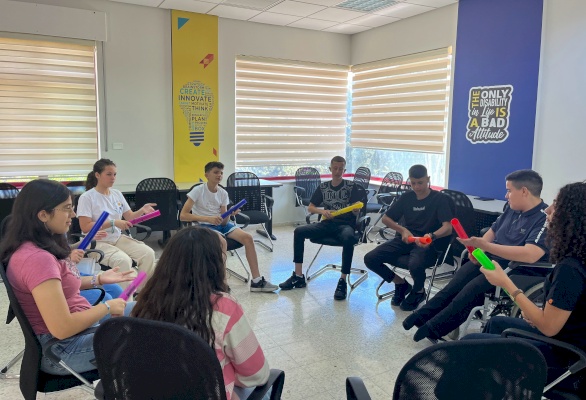
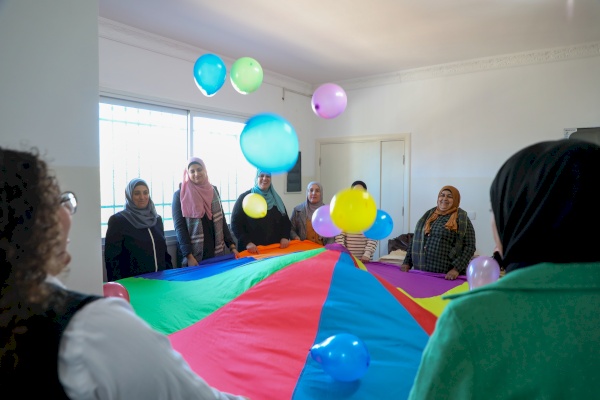
The Program provides individual and group counselling and psychosocial support services to children, women, young people, and groups most exposed to risk. These services offer safe spaces for expression and support, help individuals cope with stress, and promote resilience and psychosocial well-being. Accessibility, communication needs, and reasonable accommodation measures are addressed in accordance with the needs of persons with disabilities.
Legal Aid
The Program provides legal awareness sessions and individual legal counselling to women, young people, and groups most exposed to risk. These services provide safe spaces where individuals can access information and knowledge concerning their rights and relevant legal matters, with particular attention to women, especially women with disabilities.
Group awareness sessions address a range of issues, most notably gender-based violence, femicide, personal status matters related to marriage, divorce, alimony, child custody, and inheritance, as well as rights under Labor law.
Based on women’s needs, coordination and referrals are made to external specialized bodies and service providers for legal follow-up and the provision of tailored support. The Program also seeks to ensure accessibility and effective communication and to provide appropriate reasonable accommodation measures responding to the diverse needs of persons with disabilities.
Case Management and Referral
The Program adopts a case-management approach that includes the safe identification and assessment of needs, response coordination, and internal referrals and follow-up across the services provided by QADER, such as the economic empowerment of persons with disabilities and their families and legal counselling. It also coordinates external responses, referrals, and follow-up with service providers and specialized entities. Throughout this process, the Program ensures safe access, confidentiality, and informed consent and does not assume that a caregiver speaks on behalf of a person with a disability.
Child Protection and the Prevention of and Response to Violence
The Program gives particular attention to child protection and to preventing and responding to gender- and disability-based violence, while increasing awareness of risks, protection mechanisms, and reporting procedures. It considers the intersecting risks that children, women, and girls with disabilities may face and seeks to ensure that disclosure, reporting, and referral mechanisms are safe and accessible and do not increase the risk of harm or stigma.
Helpline
The Program improves access to information, advice, and protection services through QADER’s toll-free helpline. The helpline enables individuals to request support and advice, learn about available services, and access referrals when needed. Diversifying and facilitating communication methods is an integral part of improving access to service.
Institutional Capacity-Building and Technical Support
The Program works with protection service providers, civil society and community-based organizations, and relevant government entities to strengthen disability inclusion within the protection system. This is achieved through capacity-building and technical support aimed at developing policies, procedures, tools, and practices and improving accessibility and reasonable accommodation measures to ensure that persons with disabilities benefit from services on an equal basis with others. This work includes reviewing institutional and communication barriers, strengthening accessible complaint and referral procedures, and monitoring the practical application of inclusion principles in daily operations.
Community Engagement and Awareness
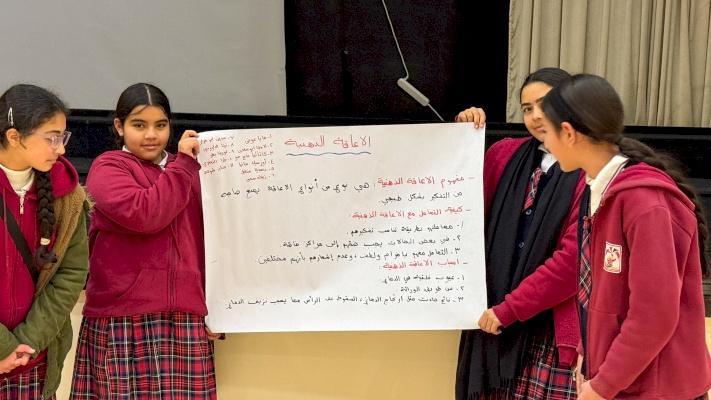
Preventive action and community awareness are essential components of the Program. This work focuses on increasing knowledge of protection issues, gender-based violence, disability-related violence, and child protection, as well as raising awareness of rights, available services, and reporting and referral mechanisms. The Program also seeks to reduce attitudes and practices that contribute to violence, discrimination, and exclusion through community initiatives and by activating the role of community and youth committees.
In practice, the Program combines community awareness sessions, interactive activities, media campaigns, and coordination and collaboration with local organizations to broaden its reach and strengthen the impact of preventive interventions. The Program places particular emphasis on the meaningful participation of persons with disabilities in awareness-raising activities and in developing relevant messages and content whenever possible. This ensures that their experiences and perspectives are represented directly, rather than merely speaking about them or representing them without their participation.