QADER Participates in Developing the Implementation Plan for the Updated 2026 Inclusive Education Policy
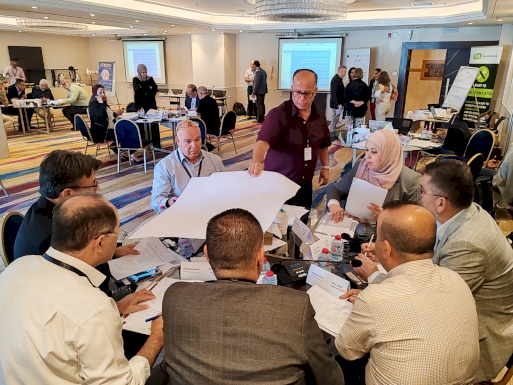
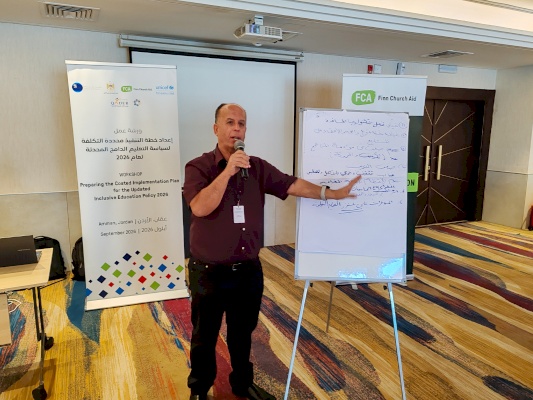
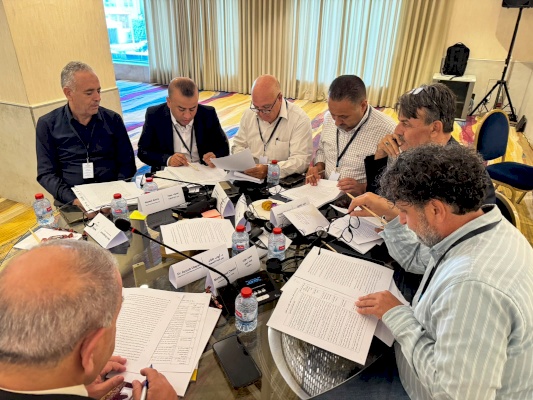
The workshop on developing the implementation plan for the updated 2026 Inclusive Education Policy concluded in Amman, Jordan. The three-day workshop was held from 19–21 September 2026, with the participation of representatives from the Ministry of Education and Higher Education and its directorates, UNICEF, Finn Church Aid (FCA), as well as a team of Palestinian and international experts and consultants.
The workshop formed part of a process implemented by Finn Church Aid, with support from UNICEF, to review and update the Inclusive Education Policy and develop a costed implementation plan. The working team includes QADER and Road Wise Consulting, alongside Finnish experts.
As part of the working team, QADER contributed to the organization and implementation of the workshop and provided technical input throughout its sessions. The workshop aimed to translate the commitments and strategic directions outlined in the updated Inclusive Education Policy into implementable outputs and activities, while identifying responsibilities, timelines, implementation requirements, and monitoring mechanisms in alignment with the planning system of the Ministry of Education and Higher Education.
The workshop began with a discussion of the current state of education in Palestine and the challenges affecting the achievement of inclusive and equitable education, with particular attention to the different contexts in the Gaza Strip, East Jerusalem, and Area C. Participants also reviewed the key concepts and principles of inclusive education, the planning cycle in Palestine, groups most at risk of exclusion from education, and relevant standards for education in emergencies.
Participants also discussed the findings of the situational analysis of inclusive education, as well as the objectives and commitments of the updated 2026 Inclusive Education Policy and the extent to which they respond to barriers facing groups most at risk of exclusion. The first day also included a review of progress made in implementing the 2016 Inclusive Education Policy, including achievements, implementation gaps, and challenges encountered by responsible stakeholders, with the aim of identifying lessons learned and their implications for the 2027–2030 implementation plan.
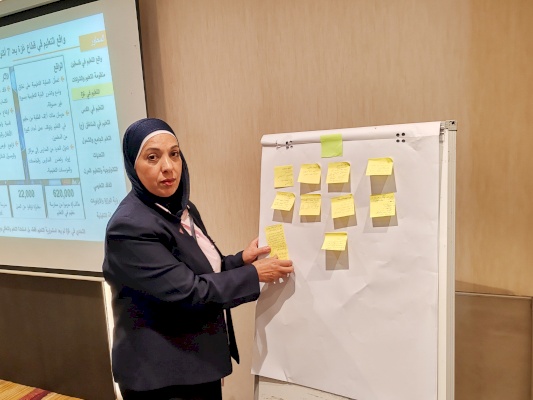
On the second day, the workshop focused on reviewing and enriching the proposed interventions and actions under the updated policy, as well as exploring the use of technology and digital transformation to support its implementation. Participants then moved on to identify priority interventions for the period 2027–2030. The alignment of these priorities with the Education Development Strategy 2025–2027 and the relevant budget programs of the Ministry of Education and Higher Education was also examined, together with their responsiveness to the key barriers to inclusion. Based on this analysis, the outputs and activities required for implementation were further developed.
The third day focused on completing the operational components of the plan by identifying lead and participating entities, indicative timelines for activities, and the regulatory, administrative, financial, and institutional measures required for effective implementation. Discussions also addressed human resource needs and the internal and external coordination mechanisms necessary to support implementation. In addition, the sessions covered performance indicators and ways to strengthen the integration of inclusive education indicators into the Ministry’s databases and periodic reports.
The main technical facilitation of the workshop was led by QADER consultants, planning expert Shawkat Sarsour and inclusive education expert Dr. Ahmad Fteiha. They facilitated a significant portion of the group work and discussions related to reviewing and enriching interventions, identifying priorities, developing outputs and activities, and assessing their responsiveness to barriers facing groups most at risk of exclusion. They also contributed to defining responsibilities and timelines and discussing the institutional, administrative, and financial requirements necessary for implementation.
Representatives of the Ministry of Education and Higher Education, together with Palestinian and international experts within the working team, also contributed presentations, technical input, and feedback throughout the different stages of the workshop. These contributions enriched the development of the implementation plan and strengthened its alignment with the Ministry’s planning framework and the priorities of the education sector.
QADER’s participation in this process forms part of its technical contribution to reviewing and developing the Inclusive Education Policy and preparing its implementation plan. It also builds on QADER’s experience in inclusive education, disability inclusion, and strengthening the capacity of education systems and institutions to respond to the diverse needs of learners. Through this work, QADER contributes to supporting the efforts of the Ministry of Education and Higher Education and its partners toward a more inclusive, equitable, and responsive education system for all students.