Ministry of Local Government and QADER for Community Development Launch a National Policy Paper on Institutionalizing Disability Inclusion in Local Governance
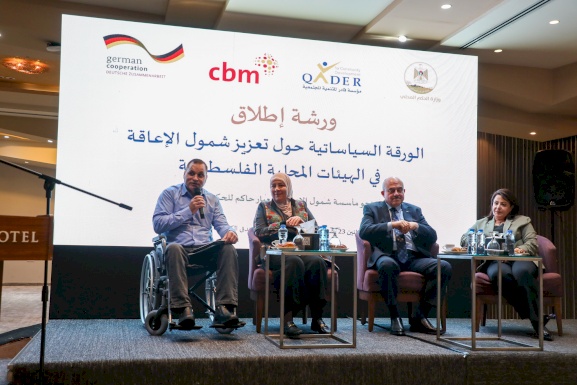
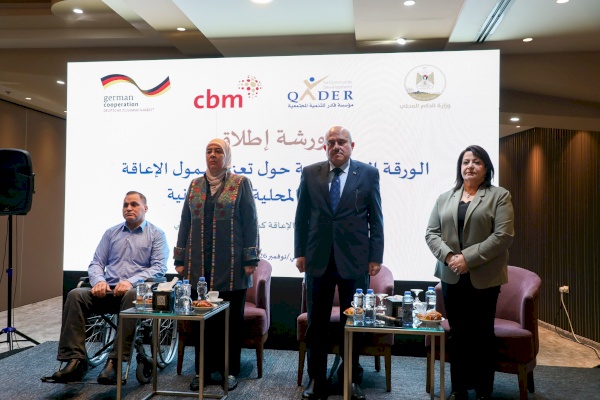
The Ministry of Local Government (MoLG), in strategic partnership with QADER for Community Development and with the participation of the National Team, today, Monday, launched the policy paper "Enhancing Disability Inclusion in Palestinian Local Government Units: Towards Institutionalizing Disability Inclusion as a Governing Standard for Local Governance." The paper was launched at a national workshop held at the Carmel Hotel in Ramallah, as part of a process that aims to move disability inclusion from scattered initiatives to the core of local policies, decisions, budgets and services. The launch comes within the framework of the project "Strengthening the Inclusion and Resilience of Local Communities in the West Bank," implemented by QADER in partnership with CBM International and with support from the German Federal Ministry for Economic Cooperation and Development (BMZ).
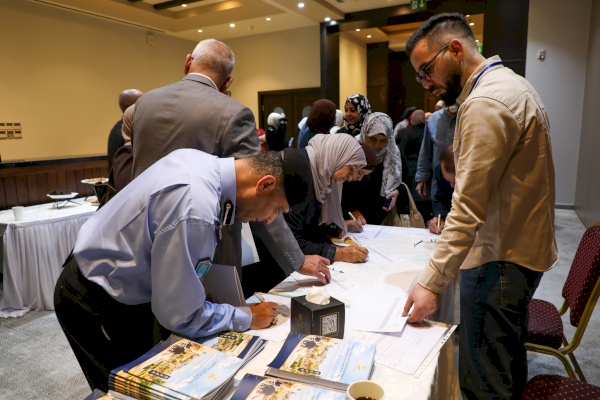
The workshop brought together a broad range of government, institutional and community participants, including representatives of Palestinian ministries and official institutions; the Palestinian Police, represented by the Grievances and Human Rights Department and the Community Policing and Media Department; the Representative Office of the Federal Republic of Germany in Ramallah; heads, members and representatives of Palestinian local government units (LGUs) from across the governorates; members of the National Team; persons with disabilities and their representative organizations (OPDs); representatives of the United Nations Office of the High Commissioner for Human Rights (OHCHR), the World Food Programme (WFP) and the United Nations Population Fund (UNFPA); and civil society organizations. Also attending was Mr. Mohammad Al-Rimhi, Director General of the Municipal Development and Lending Fund (MDLF). This broad and diverse participation reflected the breadth of institutional and community interest in the rights of persons with disabilities, a shared commitment to advancing these rights, and the importance of complementary roles in strengthening disability inclusion in the local government sector.
In his opening remarks, H.E. Dr. Sami Hijjawi, Minister of Local Government, affirmed the Ministry's commitment to the policy paper's content and priorities. He directed the Ministry's staff, departments and directorates to give these priorities due attention and to use the Ministry's available institutional resources to implement them. He called on LGUs and all parts of the local government sector to turn the paper's policy interventions, institutional measures and recommendations into actual mechanisms, procedures and practices. He stressed that the rights of persons with disabilities are inherent rights, not a favor granted by anyone, and that advancing them is a national, legal and humanitarian duty in the State of Palestine.
The Minister reviewed the Ministry's work on developing instructions and standards for making public buildings and facilities accessible and ensuring access to services, and on promoting equality, non-discrimination and employment opportunities for persons with disabilities in LGUs. He also noted its support for rehabilitation centers and the development of their services, and its attention to elderly care centers in coordination with the Ministry of Social Development. He stressed that the Ministry and LGUs will keep working to turn these priorities into practical procedures and practices, despite the difficult financial conditions facing the government and LGUs, so that stated commitments become tangible results in citizens' lives.
H.E. Dr. Laila Ghannam, Governor of Ramallah and Al-Bireh Governorate, affirmed that supporting persons with disabilities and protecting their rights is a priority for the Governorate. She described some of the Governorate's efforts and practical initiatives, and shared success stories of persons with disabilities who overcame challenges, took up leadership positions in official institutions, and became active partners in public life and rights advocacy. She stressed that persons with disabilities must feel the impact of these efforts in their daily lives and in accessing services on an equal basis with others, especially given the additional challenges caused by the occupation's arbitrary practices and measures. She commended the cooperation between official and civil society bodies and the efforts that produced the policy paper.
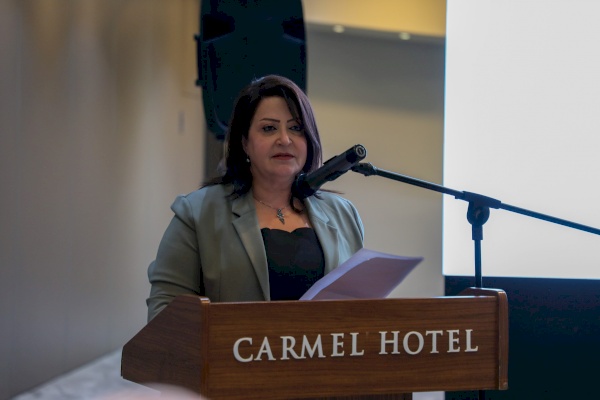
Mrs. Lana Bandak, General Director of QADER for Community Development, said that local governance is more than managing facilities and services: it is a space where citizenship takes shape and equality is put to the test. The inclusion of persons with disabilities, she said, should be an integral part of its structure and a measure of the fairness of its policies and decisions. She expressed QADER's pride in its strategic partnership with the Ministry of Local Government, praising the Ministry's leadership of this national process and the active role of the National Team in all its components. She also thanked the team members for the expertise, contributions, reviews and in-depth dialogue that helped develop the paper, shape its direction and strengthen its shared national ownership.
Mrs. Bandak stressed that the paper's value lies not in its completion and launch but in turning its content into clear priorities, defined responsibilities and actionable, measurable steps. This means developing guidelines, practical tools and operational procedures that enable Palestinian LGUs to integrate inclusion into their daily work. She affirmed QADER's commitment to continuing its partnership with the Ministry, the National Team and all partners, to contributing its technical expertise to the implementation process, and to strengthening the meaningful and effective participation of persons with disabilities and their organizations, to achieve tangible and sustainable impact in their lives.
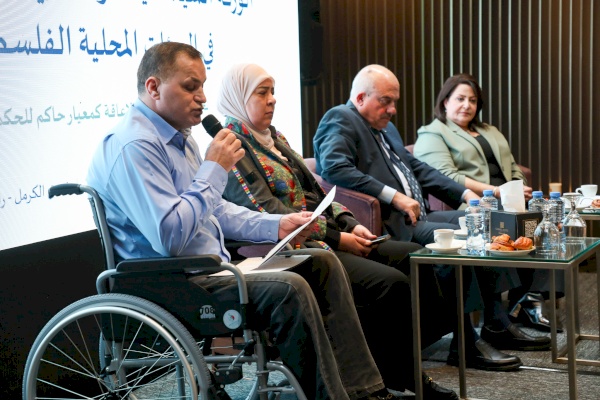
Mr. Majdi Mar'i, Secretary General of the General Union of Persons with Disabilities and representative of the National Team, highlighted the importance of the rights-based approach underpinning the paper. He stressed that disability must not be reduced to an individual's condition while ignoring the physical, institutional and societal barriers that limit equal participation and access to public services. He described the paper as a rights-based and developmental imperative consistent with national legislation and international obligations, and one that advances justice and equal citizenship. He commended QADER's role in supporting the development of the policy paper and strengthening the national partnership that made it possible.
Mr. Mar'i also highlighted the participatory approach and the efforts of the National Team in developing the paper and shaping its priorities. He affirmed the role of the Union and its branches across the governorates in raising awareness of the rights of persons with disabilities, ensuring their meaningful and effective participation through their representative organizations, and continuing to contribute to implementing and following up on the policy interventions.
In introductory remarks preceding the presentation of the policy paper on enhancing disability inclusion in Palestinian LGUs, Mr. Sayel Hanoun, Head of the National Team and Disability Focal Point at the Ministry of Local Government, reviewed the Ministry's efforts, under the leadership of Minister Sami Hijjawi, to advance the rights of persons with disabilities and institutionalize inclusion in the work of its departments, units and directorates. He outlined the Ministry's leadership and oversight of the preparation of the paper, as well as the next steps to translate its content into practical measures. He noted that disability inclusion had been incorporated into LGU budgets, opening the way for inclusion requirements to be reflected in the work of local government units and strengthening the link between rights-based commitments and the financial and institutional planning needed to implement them.
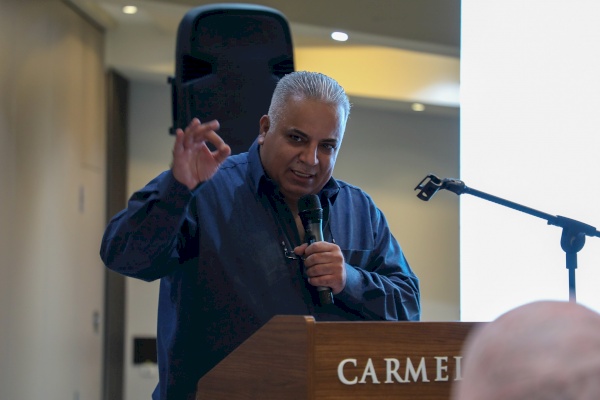
Attorney Dr. Issam Abdeen, Legal Advisor at QADER for Community Development, gave a comprehensive presentation of the policy paper. He explained the methodology behind it: the paper was prepared under the leadership and supervision of the Ministry of Local Government, in partnership with QADER and the multi-sectoral National Team. It drew on an analysis of national and international legislation, policies and rights obligations; the results of an assessment of the state of disability inclusion in 15 LGUs; specialized studies and consultations; and a two-day national consultative workshop. He reviewed the main gaps and challenges related to institutionalization, planning, budgets, accessibility, participation, data and institutional capacity. These led to a coherent package of 12 national-level policy interventions and 14 institutional and regulatory measures at the LGU level, aimed at integrating disability inclusion into the structure and daily practice of local governance.
Dr. Abdeen highlighted the legal and institutional enforcement tools available, chief among them the powers of regulation, direction, budget approval, oversight and inspection, and annual reporting. He stressed the importance of working on two complementary tracks: activating existing legal obligations and powers without delay and developing the legislative and regulatory framework in parallel. He affirmed QADER's readiness to contribute its legal and legislative expertise to support the Ministry's efforts to develop local government legislation, first and foremost Local Authorities Law No. 1 of 1997 and its related bylaws and instructions, to strengthen the institutionalization of disability inclusion and the guarantees for its enforcement. He also stressed the importance of future alignment with the draft Decree-Law on the Rights of Persons with Disabilities of 2027 and with government planning for 2028–2030, and of strengthening a sustainable national partnership that turns policy consensus into institutional commitments, measurable practices and tangible impact in the lives of persons with disabilities.
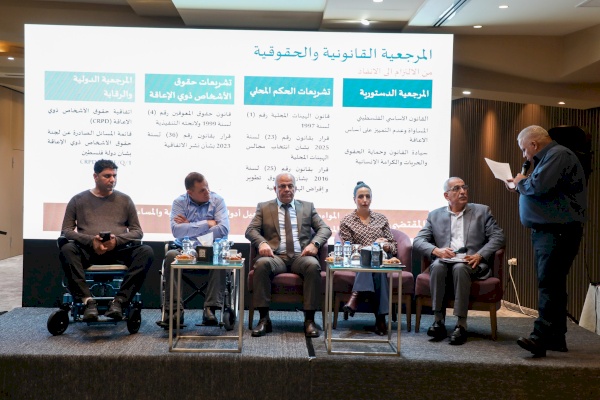
After the presentation, Dr. Issam Abdeen moderated a panel discussion with representatives of the Ministry of Local Government, the Ministry of Social Development, the Municipal Development and Lending Fund, the Association of Palestinian Local Authorities, and the General Union of Persons with Disabilities. The discussion covered priorities for implementing the policy interventions; complementary roles and responsibilities; integrating a disability-inclusive approach into planning, budgeting, local project financing, oversight and accountability; and ensuring the effective participation of persons with disabilities and their organizations in decision-making, implementation and follow-up.
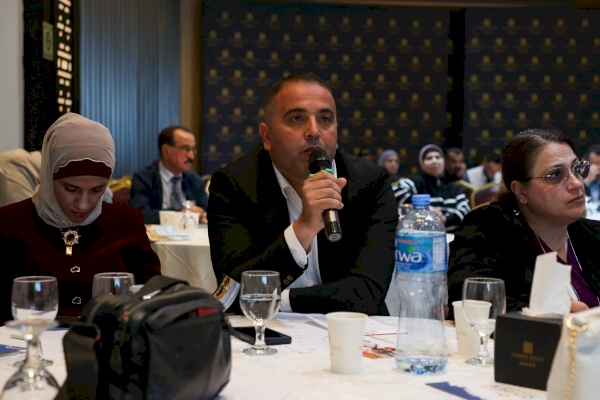
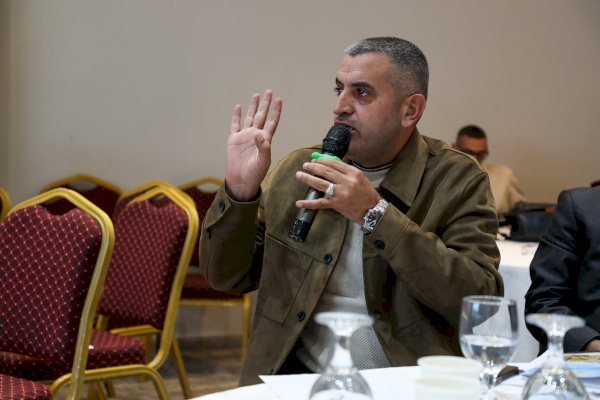
The panel generated broad engagement and extensive contributions from LGU representatives from across the governorates and other participants. The contributions underscored the importance of building on existing efforts; providing LGUs with practical tools, guidance and technical support; strengthening coordination among the relevant bodies; and integrating inclusion standards into planning, financing and oversight. These measures would help translate general policy directions into practical implementation steps responsive to the realities of LGUs and the needs of their communities.
At the close of the discussion, the importance of holding a consultative meeting bringing together key partners was emphasized. These include, first and foremost, the Ministry of Local Government, QADER for Community Development, the Ministry of Social Development, the Municipal Development and Lending Fund, the Association of Palestinian Local Authorities, and the General Union of Persons with Disabilities. The meeting would discuss the priority interventions set out in the policy paper, identify practical steps for the next phase, and clarify complementary roles and responsibilities, in preparation for the National Team to resume its efforts to follow up on the paper's implementation and operationalization.