QADER Conducts Training on Developing Social Accountability Plans in Local Authorities
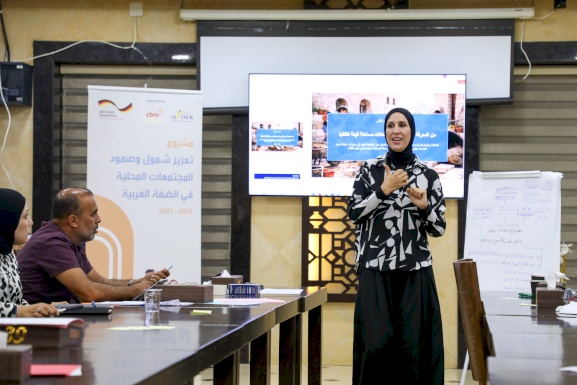
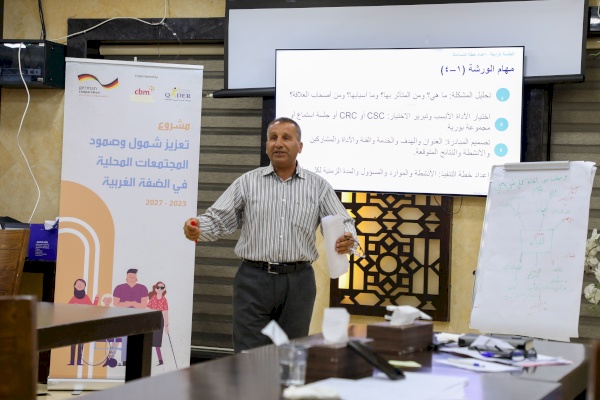
QADER for Community Development conducted a specialized training entitled “Developing Social Accountability Plans in Local Authorities” as part of the “Enhancing the Inclusion and Resilience of Local Communities in the West Bank through Capacity Building” project.
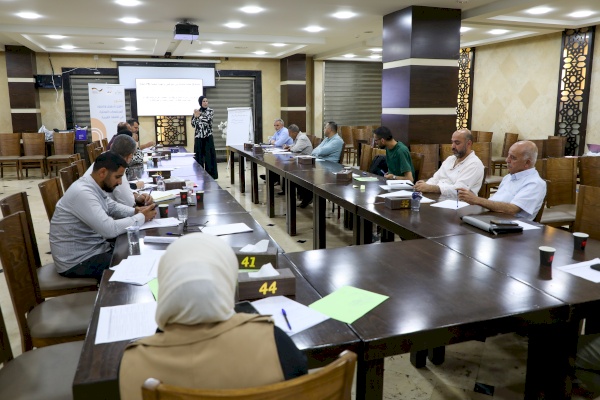
The training brought together 23 male and female representatives from eight local authorities in Hebron Governorate: Beit Kahil, Bani Na’im, Tarqumiya, Idhna, Beit Ula, Al-Dhahiriya, Al-Samu’, and Al-Shuyukh.
Over three days, the training addressed the concepts of good governance, active citizenship, and social accountability, as well as the roles and responsibilities involved in promoting transparency and participation. It also covered social accountability tools and mechanisms, including community participation, community scorecards, citizen reports, public hearings, focus groups, and grievance mechanisms.
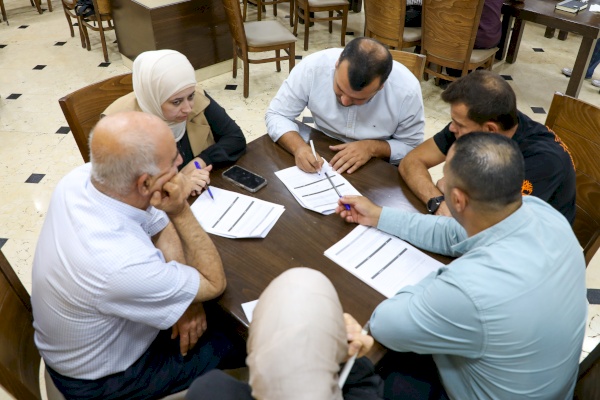
The training also emphasized practical application by assessing the current state of accountability within local authorities and facilitating group work to develop actionable and measurable social accountability plans. These plans included identifying issues and objectives, activities, responsibilities, partners, timelines, and monitoring and evaluation indicators.
This training is part of a series of capacity-building programs implemented by QADER, based on the findings of local authority inclusion assessments and intervention plans. The programs aim to support local authorities in institutionalizing inclusion and social accountability and enhancing their responsiveness to citizens’ needs.
The project is implemented in partnership with CBM Global and funded by the German Federal Ministry for Economic Cooperation and Development (BMZ), in cooperation with the targeted local authorities in the governorates of Hebron, Bethlehem, and Salfit.